
Core
Appropriateness Review
Evaluate indication, duplication, allergies, interactions, and patient-specific suitability.
15 min

Browse lesson categories and pharmacy learning modules.
Evaluate indication, duplication, allergies, interactions, and patient-specific suitability.
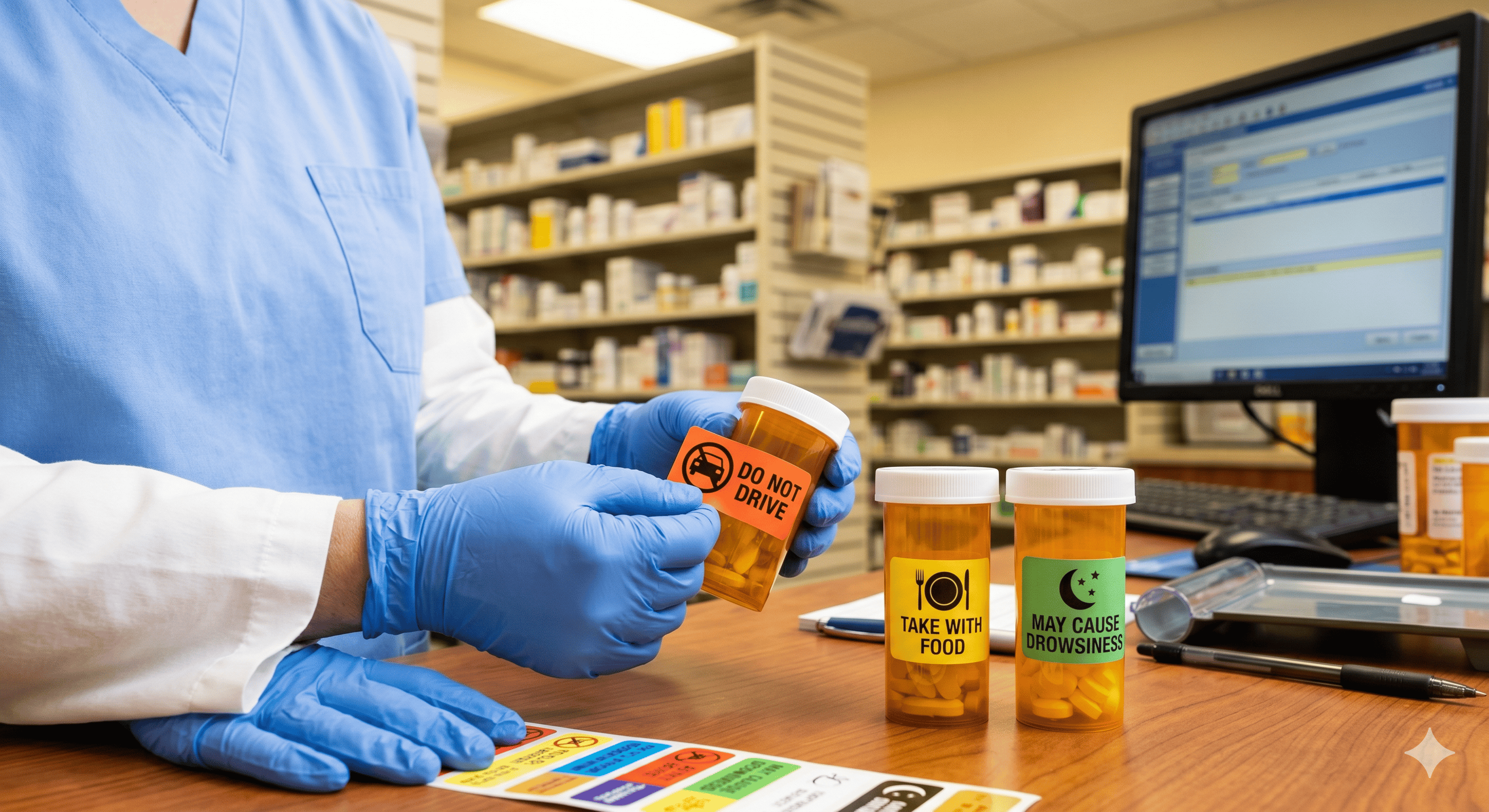
Apply correct auxiliary labels to ensure safe medication use and patient compliance.

Perform accurate pharmaceutical compounding calculations for custom preparations.

Adjust chemotherapy dosing based on BSA, renal function, and patient-specific parameters.

Conduct structured patient counseling sessions using evidence-based clinical checklists.

Manage sodium, potassium, calcium, magnesium, and phosphate corrections in clinical settings.

Modify drug dosing for patients with hepatic impairment using Child-Pugh and MELD scores.

Create accurate, complete, and safe dispensing labels that meet regulatory standards.

Interpret laboratory values and apply them to guide safe clinical pharmacy decisions.
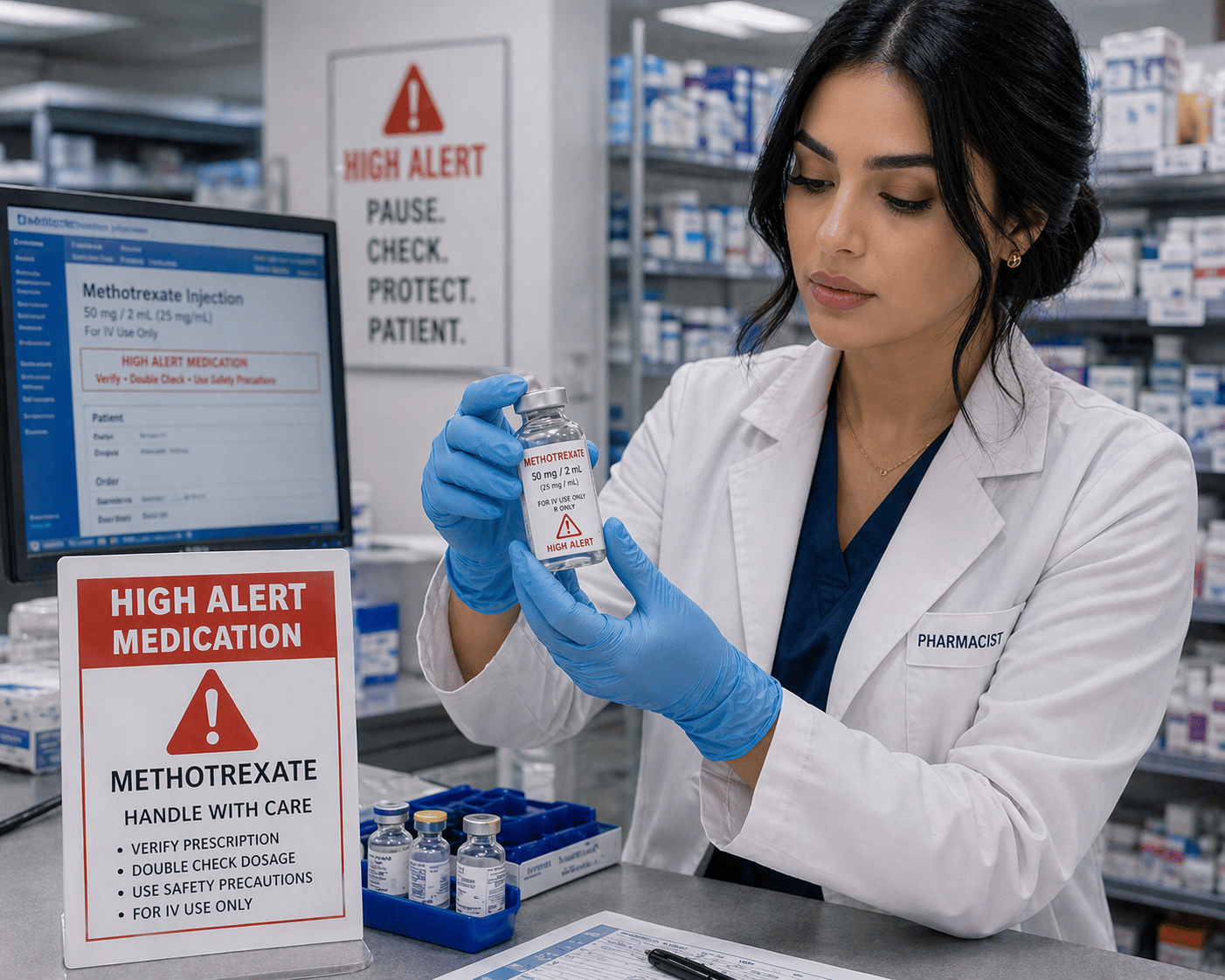
Identify, verify, and safely manage high-risk medications that require extra precautions.
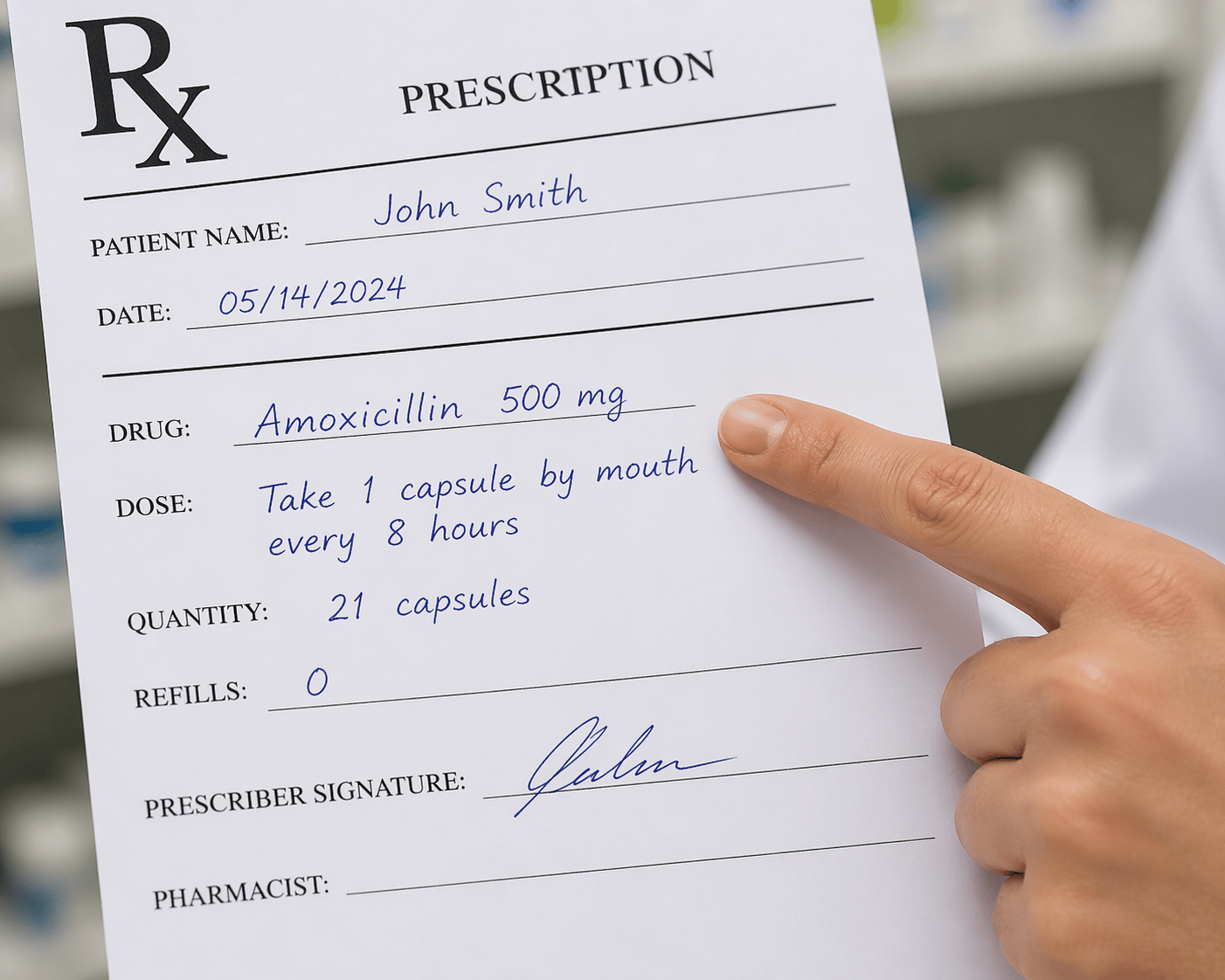
Understand and verify all required components of a valid, complete prescription.

Safely convert intravenous drug therapy to equivalent oral regimens for appropriate patients.

Calculate safe and effective dosing for pediatric patients using weight- and age-based methods.
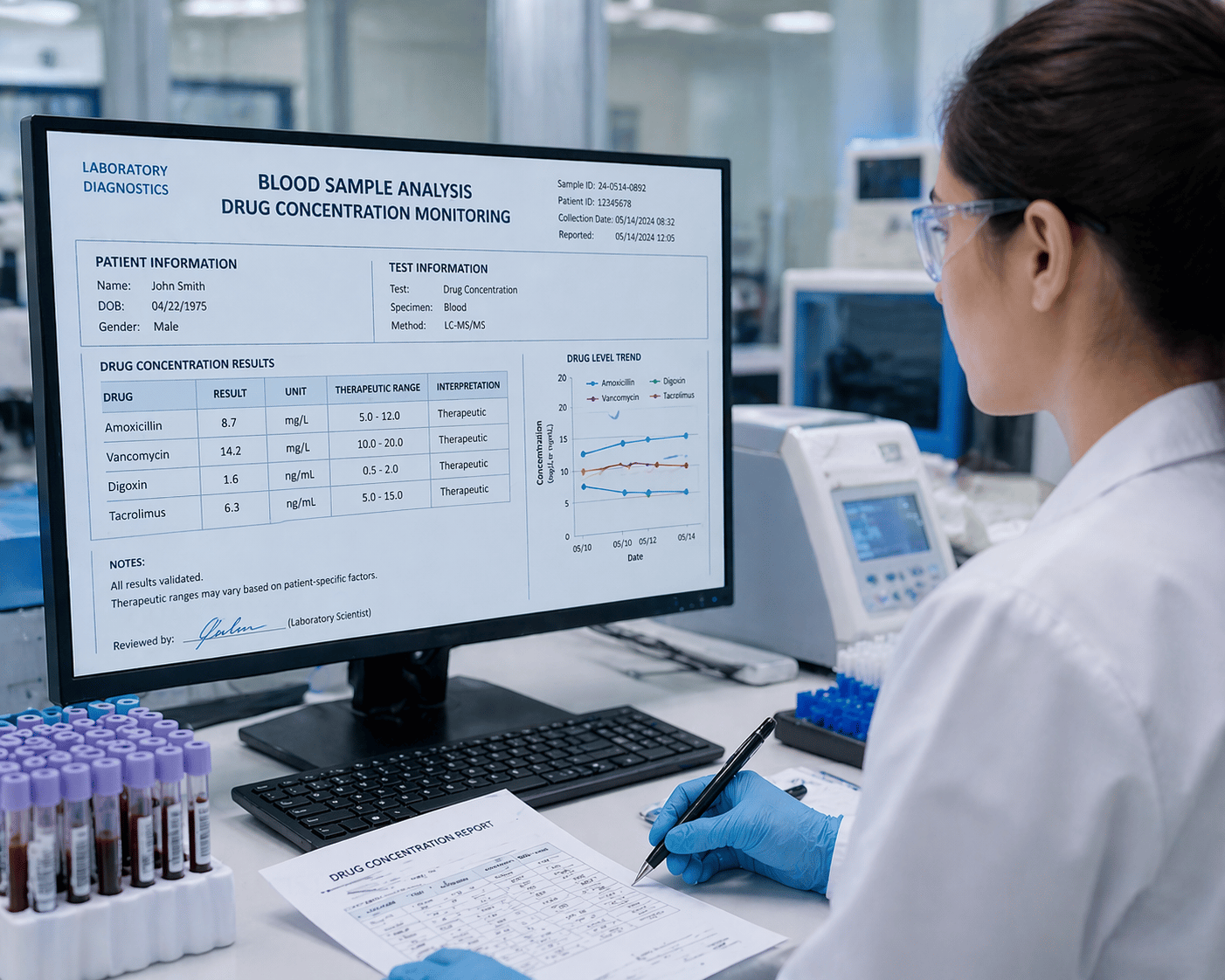
Monitor serum drug levels and adjust regimens for optimal therapeutic outcomes.

Apply controlled substance regulations and protocols to safely dispense narcotic medications.
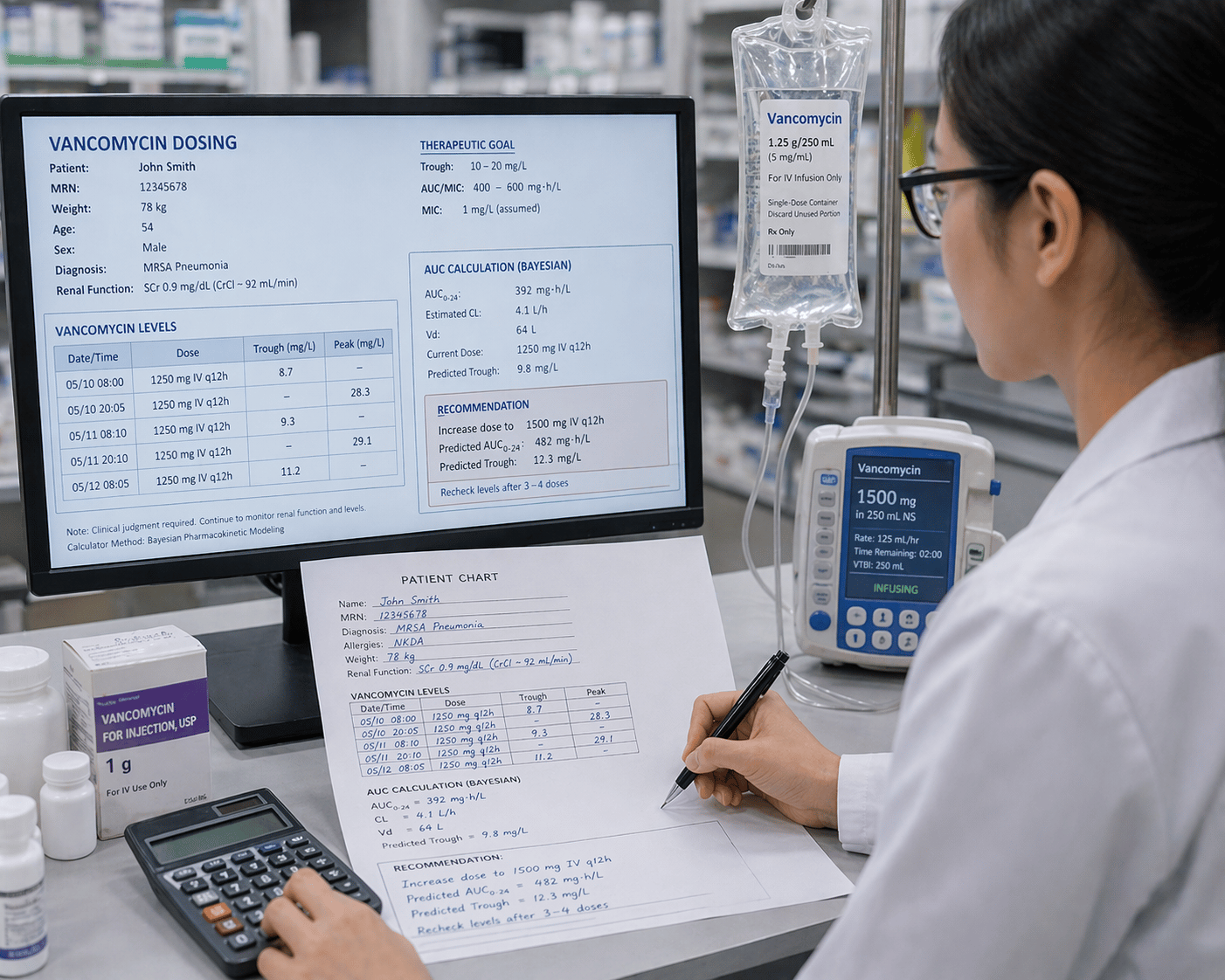
Apply AUC-guided dosing strategies and trough monitoring for vancomycin optimization.